Diabetic Breakfast Recipes – Blood Sugar-Friendly Morning Meals

INTRODUCTION
Managing diabetes doesn’t mean sacrificing delicious morning meals, and these diabetic breakfast recipes prove that blood sugar control and satisfying flavors coexist beautifully. These carefully crafted breakfast options combine high-fiber carbohydrates, lean proteins, and healthy fats to stabilize glucose levels throughout the morning without triggering unwanted spikes. From protein-packed Greek yogurt parfaits to vegetable-rich omelets and fiber-dense overnight oats, these recipes provide balanced nutrition that keeps you energized and satisfied until lunch. The strategic ingredient combinations work with your body’s insulin response rather than against it, creating sustainable eating patterns that support long-term diabetes management.

The key to successful diabetic breakfasts lies in understanding how different nutrients affect blood sugar—complex carbohydrates digest slowly, proteins promote satiety and stabilize glucose, while healthy fats provide sustained energy without impacting insulin. These diabetic breakfast recipes eliminate refined sugars and white flour while incorporating whole grains, fresh vegetables, nuts, seeds, and quality proteins that deliver essential nutrients without compromising blood sugar goals. Whether you’re newly diagnosed or managing long-term diabetes, these breakfast ideas adapt to various dietary preferences and time constraints, offering quick weekday options alongside leisurely weekend preparations that everyone in the family enjoys.
ESSENTIAL INGREDIENTS
Blood Sugar-Stabilizing Proteins:
- 6 large eggs (pasture-raised for omega-3 benefits)
- 2 cups plain Greek yogurt (full-fat or 2% for sustained energy)
- 1 lb extra-lean ground turkey or chicken sausage
- 1/2 cup raw almonds or walnuts (healthy fats and protein)
- 1/4 cup chia seeds (fiber and omega-3s)
High-Fiber Complex Carbohydrates:
- 1 cup steel-cut oats (slower digestion than rolled oats)
- 4 slices whole grain bread (look for 3g+ fiber per slice)
- 1 medium sweet potato (lower glycemic than white potato)
- 1 cup fresh berries (blueberries, strawberries, raspberries)
Nutrient-Dense Vegetables:
- 2 cups fresh spinach (iron and fiber without carbs)
- 1 red bell pepper, diced (vitamin C and antioxidants)
- 1 cup mushrooms, sliced (umami flavor, minimal carbs)
- 1/2 red onion, diced (flavor without sugar spike)
- 1 medium zucchini (vegetable bulk, low carb)
Healthy Fats and Seasonings:
- 2 ripe avocados (monounsaturated fats for satiety)
- 2 tablespoons extra virgin olive oil
- 1 teaspoon ground cinnamon (may help insulin sensitivity)
- 1/2 teaspoon turmeric (anti-inflammatory properties)
- Sea salt and black pepper to taste
FOOLPROOF DIABETIC BREAKFAST METHOD
Greek Yogurt Parfait Construction:
Start with plain Greek yogurt as your protein foundation—never use flavored varieties that contain 15-20g added sugars per serving. Layer 3/4 cup Greek yogurt in glass or bowl, add 1/4 cup fresh berries (measured carefully as fruit contains natural sugars), sprinkle 2 tablespoons chopped nuts for crunch and healthy fats, then dust with cinnamon for blood sugar benefits. This combination provides 20g protein, 5g fiber, and approximately 25g carbohydrates, creating balanced macronutrient ratio that prevents glucose spikes. Prepare the night before for grab-and-go convenience, storing berries separately until ready to eat to prevent moisture softening.
Vegetable-Packed Omelet Technique:
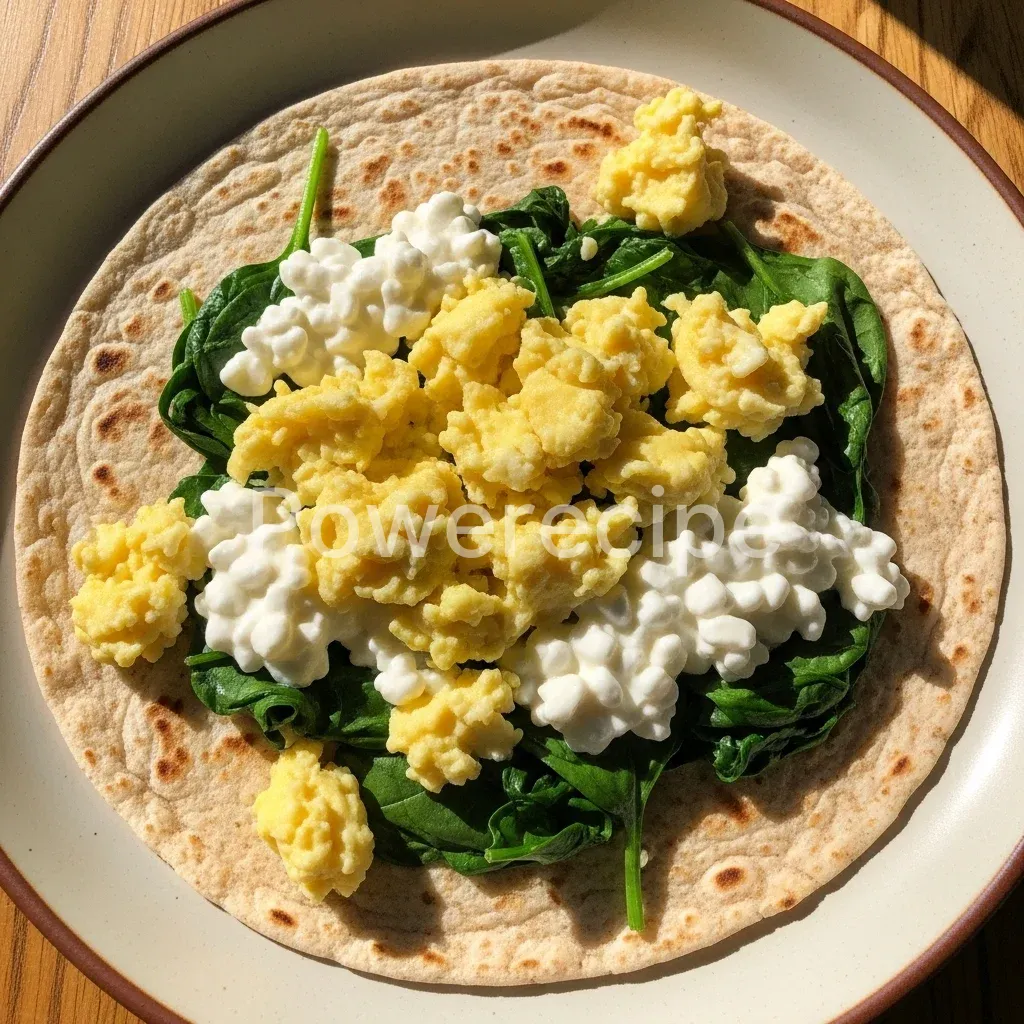
Heat non-stick skillet over medium heat with 1 teaspoon olive oil to prevent sticking without excess fat. Whisk 3 eggs with pinch of salt and pepper until fully combined but not foamy—overwhisking creates tough texture. Pour into heated pan, swirling to coat bottom evenly. When edges begin setting (about 2 minutes), add pre-sautéed vegetables—spinach, peppers, mushrooms, onions—to one half of omelet. The key is cooking vegetables separately first to release moisture that otherwise creates soggy eggs. Fold omelet over filling, cook 1 minute more until just set but still slightly glossy on top. This protein powerhouse delivers 18g protein, 8g carbohydrates (mostly from vegetables), and essential vitamins without blood sugar impact.
Steel-Cut Oats Preparation:
Unlike instant oats that spike blood sugar rapidly, steel-cut oats provide slow-release energy through intact grain structure. Combine 1/4 cup steel-cut oats with 1 cup water in small pot, bringing to boil then reducing to simmer. Cook 20-25 minutes, stirring occasionally, until oats achieve creamy consistency while maintaining slight chew. Stir in 1/2 teaspoon cinnamon and 1 tablespoon ground flaxseed for additional fiber that further slows carbohydrate absorption. Top with 10 raw almonds (counted precisely—portion control matters for blood sugar) and 1/4 cup berries. This breakfast provides sustained energy for 3-4 hours without glucose roller coaster, thanks to 8g fiber content that moderates sugar absorption.
Avocado Toast Enhancement:
Toast whole grain bread until golden and crispy—toasting increases resistant starch that benefits blood sugar control. Mash 1/2 ripe avocado with squeeze of lemon juice, pinch of salt, and red pepper flakes for flavor without added sugars. Spread generously on toast, creating satisfying breakfast with healthy monounsaturated fats that slow carbohydrate digestion. Top with poached or fried egg for protein boost that transforms simple toast into complete diabetic-friendly meal providing 25g carbohydrates, 15g protein, and 18g healthy fats. The fat and protein combination prevents blood sugar spike that bread alone would trigger, demonstrating power of strategic nutrient pairing.
CREATIVE SERVING AND STORAGE
Meal Prep Strategies:
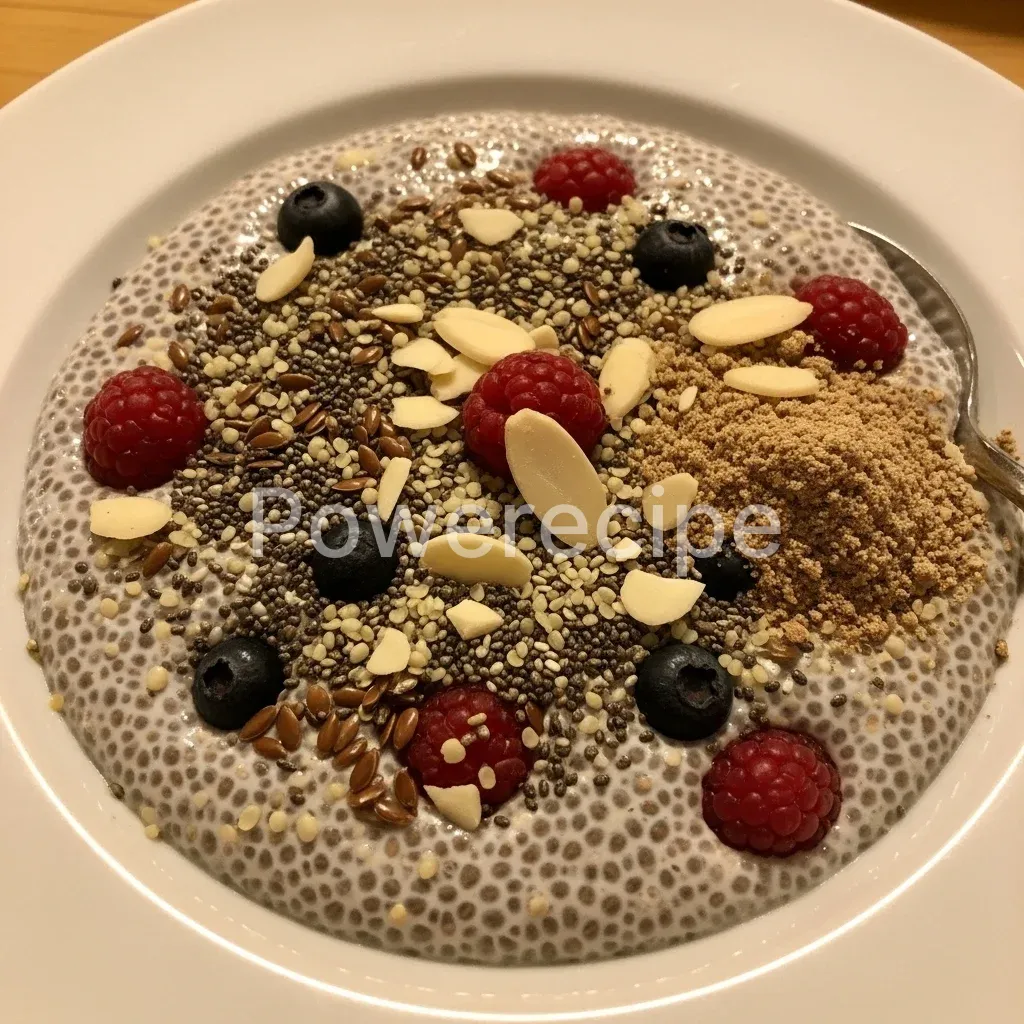
Diabetic breakfast success often depends on advance preparation that eliminates morning stress and poor food choices. Prepare overnight chia pudding by combining 3 tablespoons chia seeds with 3/4 cup unsweetened almond milk, storing in mason jars refrigerated up to 5 days. Hard-boil dozen eggs on Sunday for quick protein throughout the week. Portion Greek yogurt into individual containers with measured nuts and berries for grab-and-go convenience. Freeze breakfast burritos filled with scrambled eggs, black beans, vegetables, and avocado—microwave 2 minutes for blood sugar-balanced breakfast when time is limited.
Blood Sugar Monitoring Tips:
Track your glucose response to different breakfast combinations using continuous glucose monitor or traditional fingerstick testing 2 hours post-meal. Everyone’s body responds differently to carbohydrates, so identifying your personal triggers creates customized meal planning that optimizes your control. Keep food journal noting portion sizes, specific ingredients, and corresponding blood sugar readings to identify patterns. This data helps you understand whether steel-cut oats work better than whole grain toast for your metabolism, or if adding extra protein improves your glucose stability.
CONCLUSION
These diabetic breakfast recipes demonstrate that managing blood sugar never requires bland, boring meals or complicated preparation methods. By focusing on high-fiber carbohydrates, quality proteins, and healthy fats while eliminating refined sugars, these breakfast options provide sustained energy and stable glucose levels that set positive tone for the entire day. Whether you prefer sweet Greek yogurt parfaits, savory vegetable omelets, or warming steel-cut oats, these recipes adapt to personal tastes while supporting diabetes management goals that improve long-term health outcomes and daily quality of life.