Louisiana Seafood Boil

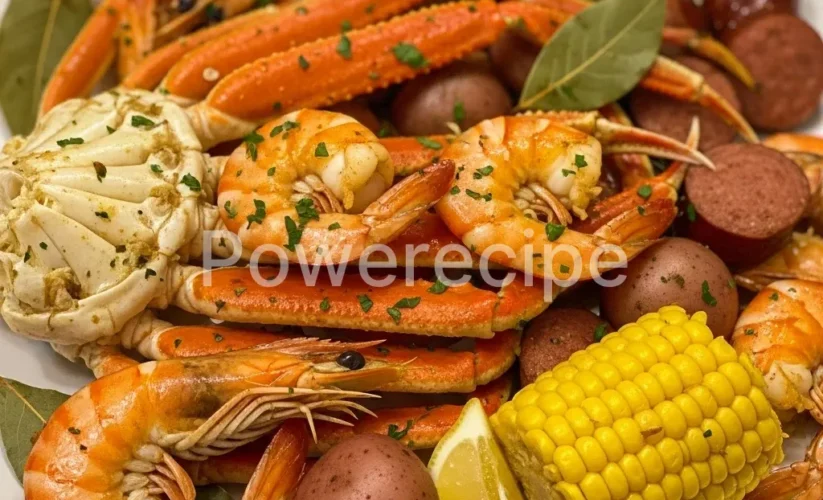
The laughter, the sticky fingers, the absolute joy on my kids’ faces when a mountain of vibrant, spicy seafood hits the table – that’s what a Louisiana seafood boil means to me. It’s more than just a meal; it’s an event, a tradition, a moment of pure connection. I remember the first time I attempted one, a little intimidated by the scale, but fueled by the desire to bring that incredible flavor and festive spirit into my own home.
What I discovered was a surprisingly simple, deeply rewarding experience. This isn’t just a recipe; it’s my personal Louisiana seafood boil guide, crafted with love and a focus on bringing that nourishing, soul-satisfying taste of the bayou right to your kitchen.
So, gather your loved ones, roll up your sleeves, and prepare for a culinary adventure that promises big flavors and even bigger smiles. This comprehensive Louisiana seafood boil guide will walk you through every step, ensuring your first (or fiftieth!) boil is an absolute triumph.
Why You’ll Love This Louisiana Seafood Boil Guide
You will truly adore this Louisiana seafood boil guide for so many reasons. First and foremost, the flavor explosion is simply unparalleled. Each bite delivers a vibrant symphony of spices, drawing you into the heart of Cajun country.
We’re talking about plump shrimp, succulent crab, tender corn, and hearty potatoes all soaking up that incredible, aromatic broth. Secondly, it embodies the spirit of communal eating. There’s something wonderfully primal and bonding about everyone gathering around a table laden with food, digging in with their hands, and sharing stories.
It’s a fantastic way to make memories, creating a relaxed and joyous atmosphere that truly lets food be love. Furthermore, despite its impressive appearance, this easy Louisiana seafood boil guide is incredibly forgiving and surprisingly straightforward. You don’t need to be a gourmet chef to achieve spectacular results.
I’ve streamlined the process to make it approachable for any home cook, ensuring you spend less time stressing and more time savoring. Finally, it’s customizable! Whether you prefer extra heat, different types of seafood, or a particular blend of spices, this homemade Louisiana seafood boil guide empowers you to tailor the experience to your family’s preferences. It’s truly an ultimate Louisiana seafood boil guide for memorable meals.
Ingredients You’ll Need
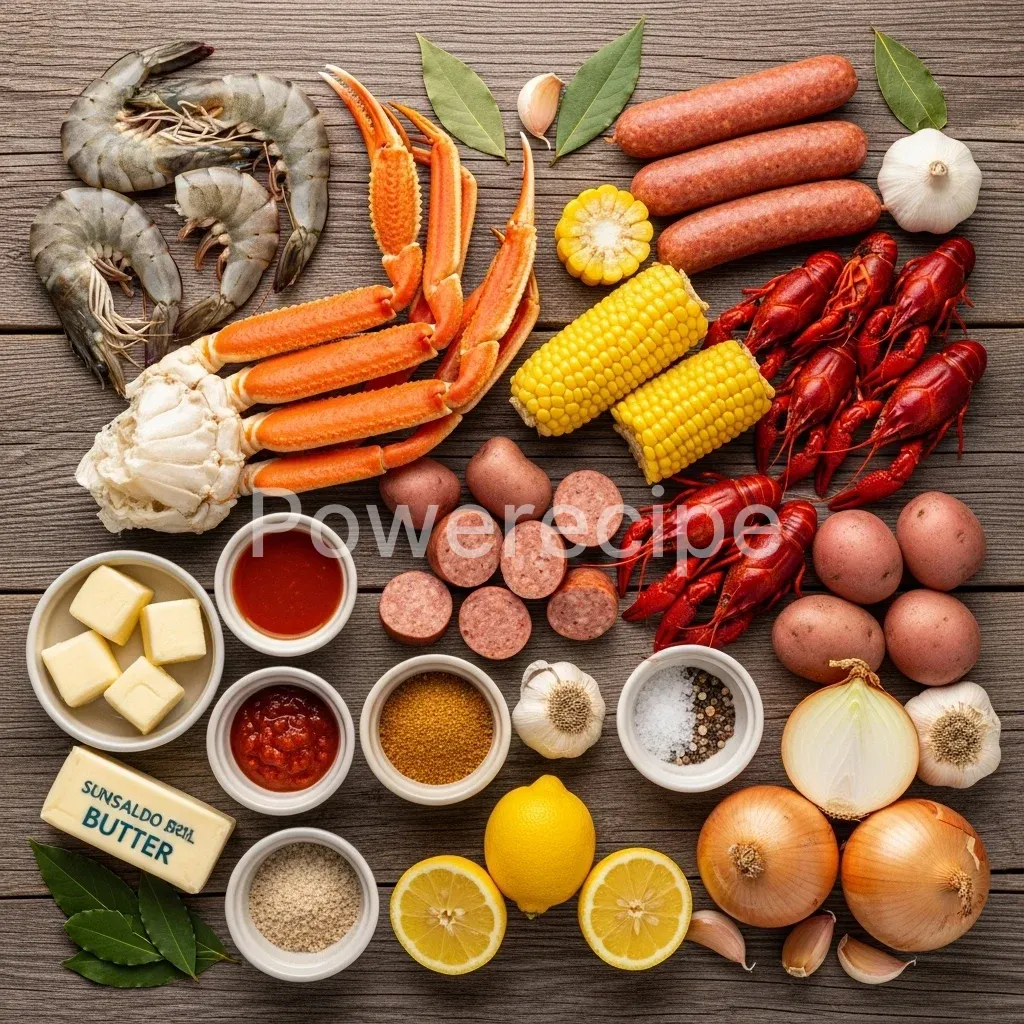
Gathering your ingredients is the first exciting step in creating your authentic Louisiana seafood boil. Freshness truly makes a difference here, so try to source the best quality seafood you can find. This essential Louisiana seafood boil guide provides everything you need for a fantastic feast.
| Category | Ingredient | Quantity | Notes |
|---|---|---|---|
| Seafood | Large Shrimp | 2 lbs | Head-on or headless, peel-on for flavor |
| Snow Crab Legs | 3-4 lbs | Pre-cooked and frozen is fine | |
| Crawfish | 2 lbs | Live or pre-cooked frozen | |
| Andouille Sausage | 1 lb | Smoked, cut into 1-inch pieces | |
| Vegetables | Small Red Potatoes | 2 lbs | Halved if large |
| Ears of Corn | 6-8 | Fresh or frozen, cut into 2-3 inch pieces | |
| Yellow Onion | 1 large | Quartered | |
| Garlic Heads | 2 | Halved horizontally | |
| Seasoning & Liquid | Seafood Boil Seasoning | 1/2 cup | Such as Old Bay or Zatarain’s |
| Liquid Crab Boil Concentrate | 2-3 tbsp | Adjust to desired spice level | |
| Lemons | 4 | Halved | |
| Bay Leaves | 4-5 | ||
| Unsalted Butter | 1 cup (2 sticks) | Melted, for serving | |
| Optional Extras | Hot Sauce | To taste | For extra kick |
| Pantry | Salt & Black Pepper | To taste |
Substitutions & Variations
One of the beautiful aspects of a Louisiana seafood boil is its incredible flexibility. This Louisiana seafood boil guide offers a fantastic base, but feel free to make it your own! If snow crab isn’t available, Dungeness crab or blue crab work beautifully.
King crab legs are a luxurious substitution if you feel like splurging. Don’t have crawfish? More shrimp or extra crab will certainly fill the void. For the sausage, kielbasa or a spicy Italian sausage can easily step in for andouille, lending a slightly different but still delicious flavor profile.
For vegetarians or those looking to expand their veggie options, consider adding sliced bell peppers, mushrooms, or even small broccoli florets to the boil. Just remember to add them towards the end so they don’t get too soft. Spice levels are another great area for customization.
If you love heat, increase the liquid crab boil or add some cayenne pepper directly to the pot. For a milder experience, reduce the liquid concentrate and opt for a less spicy seasoning blend. Some folks even like to add a touch of brown sugar to balance the spice with a hint of sweetness.
Experimentation makes this homemade Louisiana seafood boil guide truly yours. You can also vary the type of liquid used; some chefs substitute a portion of the water with beer or white wine for added depth of flavor, creating a truly unique Louisiana seafood boil guide experience.
Just as you can creatively adapt your seafood boil ingredients, exploring new flavor profiles can transform any meal. If you enjoy experimenting with seasonings for a truly personalized dish, learn how to prepare Chicken Wings with a fantastic Air Fryer Rub.
Step-by-Step Instructions
Note: This video is for demonstration purposes and may use a slightly different method.
Preparing your Louisiana seafood boil is a fun and engaging process. Follow this Louisiana seafood boil guide carefully for the best results.
1. Prep Your Ingredients: Start by thoroughly washing all your vegetables. Halve your red potatoes.
Cut your corn into 2-3 inch pieces. Quarter the onion and halve the garlic heads horizontally. If using fresh crawfish, purge them in a cooler with clean water and a little salt for 15-20 minutes, draining and refilling until the water runs clear.
Peel and devein shrimp if desired, though cooking them shell-on adds flavor. Slice your andouille sausage into 1-inch rounds.
2.
Set Up Your Pot: Choose your largest stockpot, preferably a 60-quart or larger, equipped with a basket insert if you have one. This helps tremendously with draining. Fill the pot about two-thirds full with water.
This Louisiana seafood boil guide uses a substantial amount of liquid to ensure proper cooking.
3. Build the Flavor Base: Add the seafood boil seasoning, liquid crab boil concentrate, halved lemons, bay leaves, quartered onion, and halved garlic heads to the water.
Stir everything well to combine.
4. Bring to a Boil and Simmer: Place the pot over high heat and bring the water to a rolling boil.
Once boiling, reduce the heat slightly to maintain a strong simmer. Let it simmer for at least 15-20 minutes. This crucial step allows the spices and aromatics to fully infuse the water, creating that iconic boil flavor.
This truly is the heart of a great Louisiana seafood boil guide.
5. Add Potatoes and Sausage: Once the broth tastes robust, add the potatoes and andouille sausage to the simmering water.
Potatoes take the longest to cook, so they go in first. Cook them for about 10-15 minutes, or until they are fork-tender but still firm.
6.
Add Corn and Crab: Next, add the corn pieces and the snow crab legs to the pot. Stir gently to submerge everything. Continue to cook for another 5-7 minutes.
If using live crawfish, add them now and cook for 5-8 minutes until they turn bright red and float. If using pre-cooked frozen crawfish, add them with the shrimp.
7.
Add Shrimp: Finally, add the shrimp (and pre-cooked crawfish, if using). Shrimp cooks very quickly. Cook for only 2-4 minutes, or just until they turn pink and opaque.
Overcooking shrimp makes it rubbery.
8. Soak (Optional but Recommended): For maximum flavor infusion, turn off the heat once all ingredients are cooked.
Cover the pot and let the seafood and vegetables soak in the hot, seasoned liquid for an additional 10-15 minutes. This step deepens the flavors considerably. This is a secret weapon for an incredible Louisiana seafood boil guide.
9. Drain and Serve: Carefully lift the basket insert out of the pot, allowing all the liquid to drain back into the pot. If you don’t have a basket, use a large slotted spoon or spider to remove the solids.
Transfer the magnificent boil onto a large, newspaper-covered table or into several large serving platters. Melt your butter and serve it on the side for dipping.
Pro Tips for Success
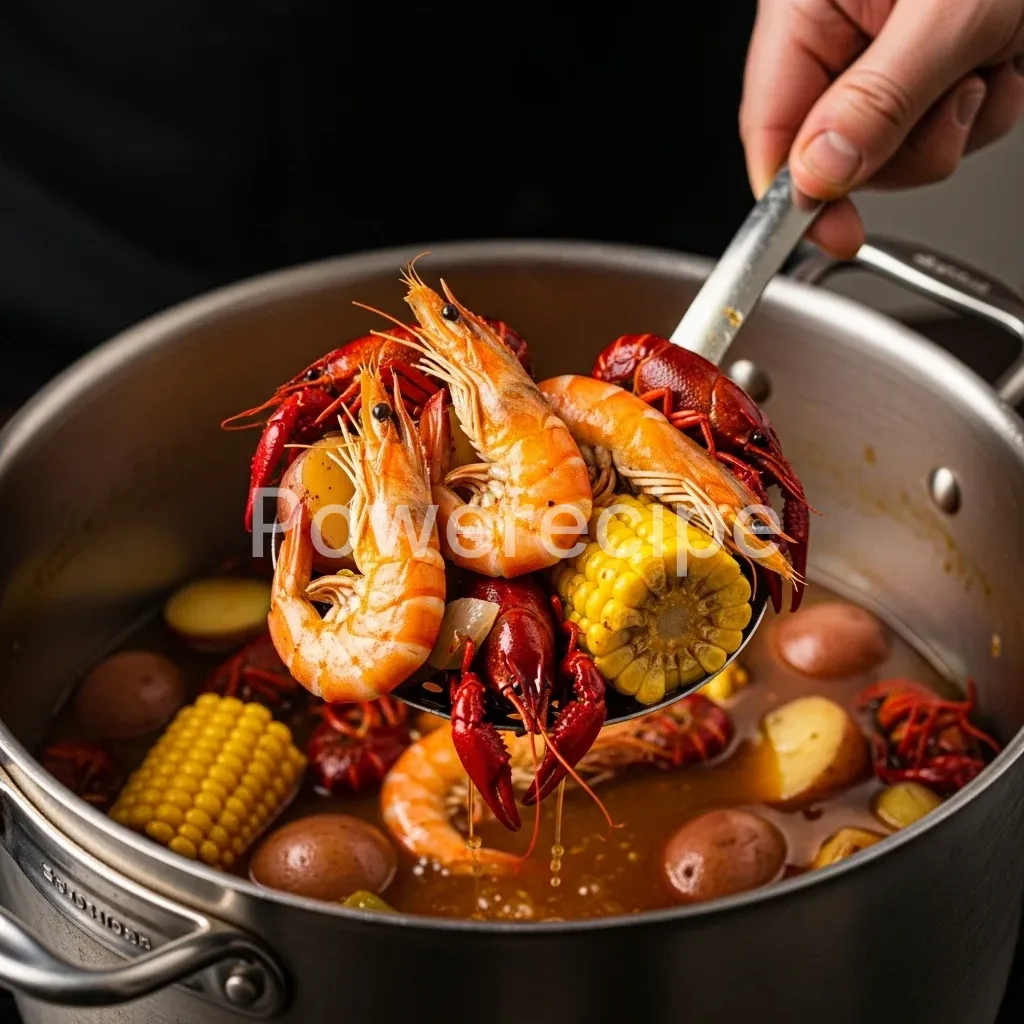
Making a Louisiana seafood boil is a fantastic culinary adventure, and a few pro tips can elevate your experience from good to absolutely legendary. This Louisiana seafood boil guide aims to make you a boil master!
* Don’t Overcrowd Your Pot: This is paramount. If you try to cram too much seafood and veggies into one pot, the water temperature will drop too quickly, and everything will boil unevenly. If you’re cooking for a large crowd, it’s far better to do two smaller boils than one gigantic, struggling one.
An uncrowded pot ensures even cooking and optimal flavor infusion.
* Taste Your Broth: Before you add any seafood, taste your boiling liquid! This is your opportunity to adjust the seasoning.
Does it need more salt? More spice? A squeeze of extra lemon?
Trust your palate. This proactive tasting prevents blandness and ensures a perfectly seasoned boil, a key aspect of any great Louisiana seafood boil guide.
* Prep Everything Ahead: Seafood boils are a fast-paced affair once the cooking starts.
Have all your vegetables chopped, sausage sliced, and seafood cleaned and ready to go. A well-organized mise en place makes the process smooth and enjoyable, eliminating frantic last-minute chopping. This makes the easy Louisiana seafood boil guide even easier.
* The “Soak” is Key: As mentioned in the instructions, don’t skip the soak! Turning off the heat and letting everything sit in the hot, seasoned liquid for 10-15 minutes allows the flavors to truly penetrate the seafood and vegetables. This step makes a significant difference in the final taste, making your homemade Louisiana seafood boil guide exceptional.
* Serve Family Style: Embrace the mess and the fun! Cover your table with newspaper or butcher paper. Dump the entire glorious boil right onto the center.
Provide plenty of napkins, melted butter, and maybe some hot sauce. This casual, communal presentation is part of the authentic Louisiana seafood boil experience. It’s a crucial element of the perfect Louisiana seafood boil guide.
* Ventilation is Your Friend: Seafood boils create a lot of aromatic steam. Ensure you have good ventilation in your kitchen, or consider cooking outdoors on a propane burner if weather permits. This prevents your home from smelling like seafood for days.
* Gloves for Cleanup: Handling all that spicy seafood can leave your hands smelling and feeling a bit tingly. Consider wearing disposable gloves during and after the meal for easier cleanup and to protect sensitive skin.
Mastering pro tips, like avoiding overcrowding your pot for an even boil, applies to perfecting many culinary endeavors. Elevate your next fish meal by discovering how to make a truly satisfying Homemade Filet o Fish Burger with expert precision.
Storage & Reheating Tips
After the feast, you’ll likely have leftovers, and properly storing them ensures you can enjoy the deliciousness later. This Louisiana seafood boil guide helps you preserve your efforts. Store any leftover seafood and vegetables in airtight containers in the refrigerator.
They will remain fresh for up to 2-3 days. Make sure everything cools down completely before sealing to prevent condensation and spoilage. Do not leave the seafood boil at room temperature for more than two hours.
When it comes to reheating, you have a couple of options. For shrimp and crawfish, a quick sauté in a pan with a little butter or a splash of broth works well, being careful not to overcook them, as they can become tough. Crab legs are best reheated by steaming them for a few minutes until they are warm through.
You can also place the entire mix of leftovers in a baking dish, add a splash of water or broth, cover tightly with foil, and warm in a preheated 300°F (150°C) oven for about 15-20 minutes. Avoid microwaving, especially for shrimp, as it can lead to rubbery textures. This Louisiana seafood boil guide helps you enjoy every last bite.
What to Serve With This Recipe
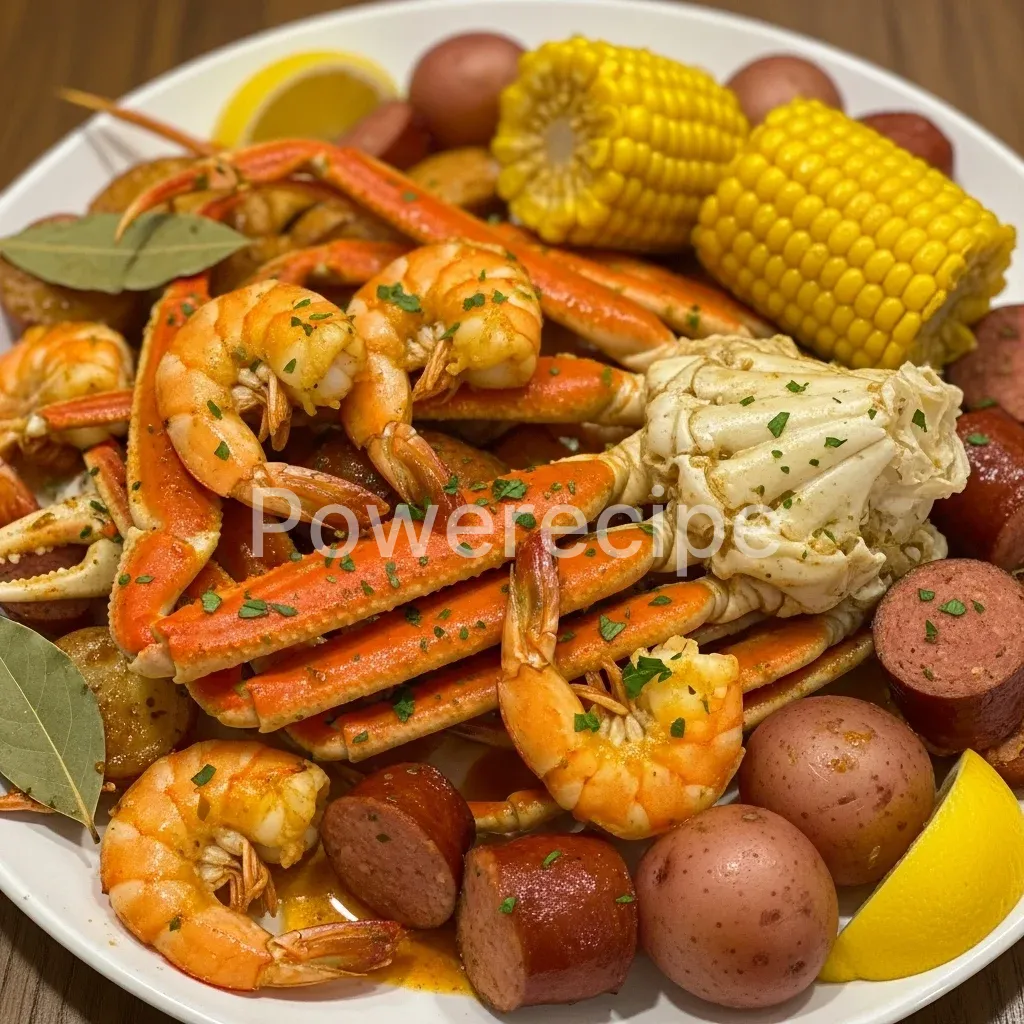
A Louisiana seafood boil is a complete meal in itself, bursting with flavors and textures. However, a few simple accompaniments can truly enhance the experience and complement the rich, spicy notes. This Louisiana seafood boil guide suggests a few favorites.
* Crusty Bread or French Baguette: This is almost mandatory! A warm, crusty loaf is perfect for soaking up any leftover seasoned juices and the melted butter. It provides a lovely textural contrast and helps to balance the spiciness.
* Melted Butter (Lots of It!): We’ve already included it in the ingredients, but it deserves another mention. Plain melted butter, perhaps with a squeeze of lemon or a dash of hot sauce, is the ultimate dipping sauce for every piece of seafood.
* Coleslaw: A creamy, cool coleslaw offers a refreshing counterpoint to the heat of the boil.
Its crispness and subtle sweetness provide a palate cleanser and a nice textural break.
* Potato Salad: If you want another starchy side, a classic potato salad (especially a mustard-based one) can be a comforting addition. The potatoes in the boil are wonderful, but a different take on potatoes can still be appealing.
* Fresh Lemon Wedges: Always have extra lemon wedges on hand for those who want an additional burst of citrusy brightness over their seafood.
* Hot Sauce: For the true spice lovers, an array of hot sauces on the side allows everyone to customize their heat level even further.
* Beverages: I always suggest ice-cold beer (a light lager or pilsner works well) or a crisp, dry white wine like Sauvignon Blanc or Pinot Grigio.
For non-alcoholic options, sweet tea, lemonade, or simple ice water are perfect for cooling things down. This Louisiana seafood boil guide considers all angles for your meal.
While a seafood boil is a complete meal, thinking about what complements your main dish can enhance the entire dining experience. For another simple yet satisfying meal idea that pairs well with other elements, consider whipping up Sheet Pan Eggs with Cottage Cheese.
FAQs
A classic Louisiana seafood boil raises some common questions, especially for first-timers. This helpful Louisiana seafood boil guide addresses them directly.
What kind of pot do I need for a seafood boil?
You need a very large stockpot, ideally 60 quarts or larger, especially if you are cooking for a crowd. Many boil pots come with a perforated basket insert, which makes draining incredibly easy. A propane burner for outdoor cooking is also a fantastic option for these large pots. This Louisiana seafood boil guide recommends preparing for quantity.
Can I make a seafood boil ahead of time?
While the best experience is a freshly cooked boil, you can do significant prep work ahead. You can chop all your vegetables, prepare your sausage, and even mix your dry seasonings days in advance. Cooked seafood, however, is best enjoyed immediately. Reheating can sometimes affect texture, but leftovers are certainly still delicious if stored correctly following this Louisiana seafood boil guide.
What’s the best way to clean shrimp for a seafood boil?
For a boil, many people prefer to leave the shells on the shrimp. The shells add flavor to the broth and protect the meat from overcooking. If you prefer to peel and devein, do so just before adding them to the pot.
I often leave the tails on for presentation and ease of eating. This Louisiana seafood boil guide offers flexibility.
How do I know when the seafood is cooked?
Shrimp turn pink and opaque, curling into a ‘C’ shape. Crab legs, if previously frozen, just need to heat through. If you have live blue crabs, they turn a vibrant orange-red.
Crawfish turn bright red and usually float to the surface when done. Potatoes should be easily pierced with a fork but not mushy. Corn will be tender. This ultimate Louisiana seafood boil guide helps you perfect the timing.
Can I use frozen seafood for a Louisiana seafood boil?
Absolutely! High-quality frozen seafood, especially pre-cooked crab legs and shrimp, works wonderfully. Just make sure to thaw it thoroughly in the refrigerator overnight before adding it to the boil, or follow package instructions for direct-to-pot cooking. Using frozen is a convenient aspect of this family Louisiana seafood boil guide.
A Louisiana seafood boil is a cherished culinary tradition, deeply rooted in the state’s vibrant Cajun and Creole cultures. These festive gatherings often feature a communal feast of boiled shellfish like crawfish, shrimp, and crab, alongside corn, potatoes, and sausage, all seasoned with a distinctive blend of spices. Originating from indigenous traditions and adapted over centuries, the practice of a seafood boil brings people together to share food and create lasting memories.
Nutrition Information (per serving)
Please note that this is an approximate nutritional breakdown for one serving of the Louisiana Seafood Boil. Actual values will vary based on specific ingredient brands, exact quantities used, and how much of the liquid is consumed. This information is provided as a general Louisiana seafood boil guide.
| Nutrient | Amount (approx.) |
|---|---|
| Calories | 550-650 kcal |
| Protein | 50-60 g |
| Fat | 30-40 g |
| Saturated Fat | 15-20 g |
| Carbohydrates | 35-45 g |
| Fiber | 5-7 g |
| Sugars | 4-6 g |
| Cholesterol | 300-400 mg |
| Sodium | 2500-3000 mg |
louisiana seafood boil guide
This Louisiana seafood boil guide offers a comprehensive, step-by-step approach to creating a vibrant, spicy, and communal seafood feast at home. It emphasizes fresh ingredients, robust flavors, and an easy-to-follow process, making it perfect for both first-timers and experienced cooks looking to replicate the soul-satisfying taste of the bayou. It's an event-worthy meal that promises big flavors and even bigger smiles.
- Prep Time: 30 mins
- Cook Time: 40 mins
- Total Time: 1 hour 25 mins
- Yield: 8 servings
- Category: Dinner
- Method: Boiling
- Cuisine: Louisiana
- Diet: Gluten Free
Ingredients
2 lbs Large Shrimp
3.5 lbs Snow Crab Legs
2 lbs Crawfish
1 lb Andouille Sausage
2 lbs Small Red Potatoes
7 Ears of Cor
1 large Yellow Onio
2 Garlic Heads
0.5 cup Seafood Boil Seasoning
2.5 tbsp Liquid Crab Boil Concentrate
4 Lemons
4 Bay Leaves
1 cup Unsalted Butter
To taste Hot Sauce
To taste Salt
To taste Black Pepper
Instructions
- Prep Your Ingredients: Start by thoroughly washing all your vegetables. Halve your red potatoes. Cut your corn into 2-3 inch pieces. Quarter the onion and halve the garlic heads horizontally. If using fresh crawfish, purge them in a cooler with clean water and a little salt for 15-20 minutes, draining and refilling until the water runs clear. Peel and devein shrimp if desired, though cooking them shell-on adds flavor. Slice your andouille sausage into 1-inch rounds
- Set Up Your Pot: Choose your largest stockpot, preferably a 60-quart or larger, equipped with a basket insert if you have one. Fill the pot about two-thirds full with water
- Build the Flavor Base: Add the seafood boil seasoning, liquid crab boil concentrate, halved lemons, bay leaves, quartered onion, and halved garlic heads to the water. Stir everything well to combine
- Bring to a Boil and Simmer: Place the pot over high heat and bring the water to a rolling boil. Once boiling, reduce the heat slightly to maintain a strong simmer. Let it simmer for at least 15-20 minutes. This crucial step allows the spices and aromatics to fully infuse the water, creating that iconic boil flavor
- Add Potatoes and Sausage: Once the broth tastes robust, add the potatoes and andouille sausage to the simmering water. Potatoes take the longest to cook, so they go in first. Cook them for about 10-15 minutes, or until they are fork-tender but still firm
- Add Corn and Crab: Next, add the corn pieces and the snow crab legs to the pot. Stir gently to submerge everything. Continue to cook for another 5-7 minutes. If using live crawfish, add them now and cook for 5-8 minutes until they turn bright red and float. If using pre-cooked frozen crawfish, add them with the shrimp
- Add Shrimp: Finally, add the shrimp (and pre-cooked crawfish, if using). Shrimp cooks very quickly. Cook for only 2-4 minutes, or just until they turn pink and opaque. Overcooking shrimp makes it rubbery
- Soak (Optional but Recommended): For maximum flavor infusion, turn off the heat once all ingredients are cooked. Cover the pot and let the seafood and vegetables soak in the hot, seasoned liquid for an additional 10-15 minutes. This step deepens the flavors considerably
- Drain and Serve: Carefully lift the basket insert out of the pot, allowing all the liquid to drain back into the pot. If you don't have a basket, use a large slotted spoon or spider to remove the solids. Transfer the magnificent boil onto a large, newspaper-covered table or into several large serving platters. Melt your butter and serve it on the side for dipping
Notes
Don't Overcrowd Your Pot: If you're cooking for a large crowd, it's far better to do two smaller boils than one gigantic, struggling one. An uncrowded pot ensures even cooking and optimal flavor infusion.
Taste Your Broth: Before you add any seafood, taste your boiling liquid! This is your opportunity to adjust the seasoning (more salt, more spice, extra lemon).
Prep Everything Ahead: Have all your vegetables chopped, sausage sliced, and seafood cleaned and ready to go before cooking starts for a smooth process.
The 'Soak' is Key: Don't skip the optional 10-15 minute soak after cooking; it allows flavors to truly penetrate the seafood and vegetables.
Serve Family Style: Cover your table with newspaper or butcher paper. Dump the entire glorious boil right onto the center. Provide plenty of napkins, melted butter, and hot sauce for an authentic experience.
Ventilation is Your Friend: Seafood boils create a lot of aromatic steam. Ensure good ventilation in your kitchen, or consider cooking outdoors on a propane burner.
Gloves for Cleanup: Consider wearing disposable gloves during and after the meal for easier cleanup and to protect sensitive skin from spices.
Storage: Store any leftover seafood and vegetables in airtight containers in the refrigerator for up to 2-3 days. Ensure everything cools completely before sealing. Do not leave at room temperature for more than two hours.
Reheating: For shrimp and crawfish, quick sauté in a pan with butter or broth. Crab legs are best reheated by steaming for a few minutes. For the entire mix, place in a baking dish, add a splash of water/broth, cover tightly with foil, and warm in a preheated 300°F (150°C) oven for about 15-20 minutes. Avoid microwaving shrimp as it can make it rubbery.