Classic Beef Stew Recipe

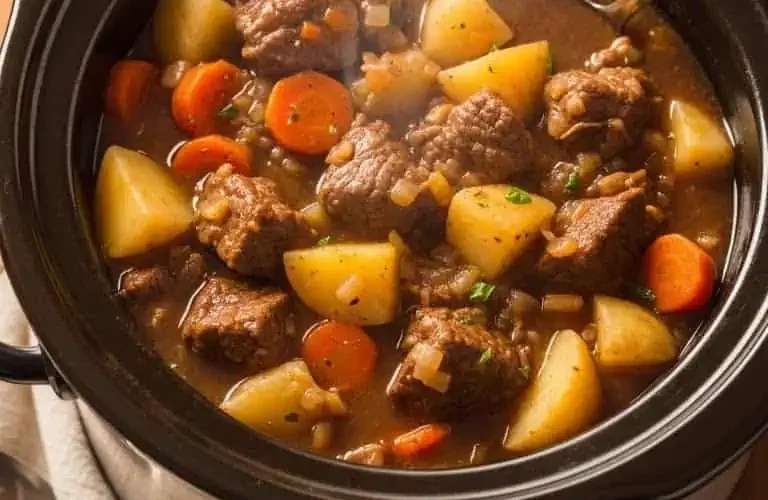
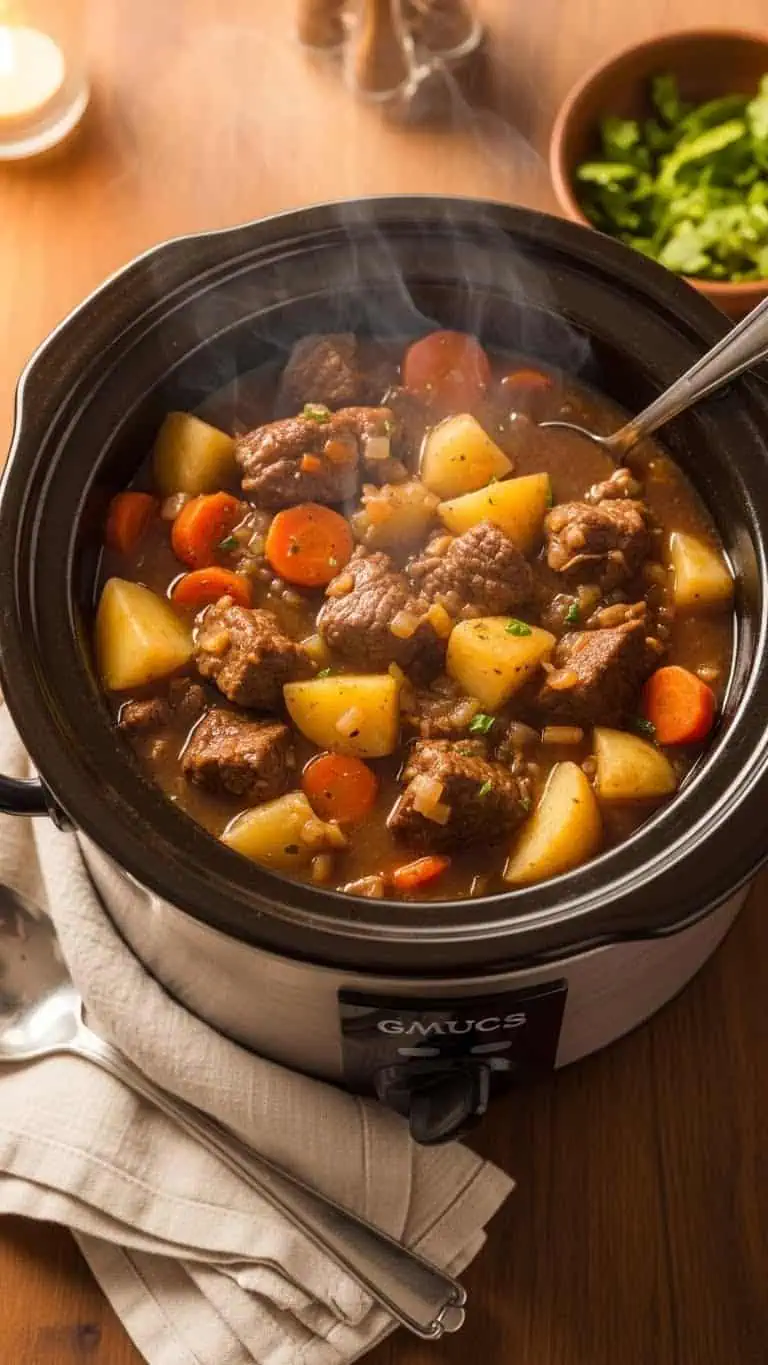
This classic beef stew recipe is the ultimate cold-weather comfort food with fall-apart tender beef, colorful vegetables, and rich savory gravy in one satisfying pot. Chuck roast transforms into melt-in-your-mouth pieces after slow simmering. Pure comfort in every spoonful—ready in 3 hours!

Winter evenings call for soul-warming meals, and this classic beef stew recipe represents ultimate comfort food that has satisfied generations across cold-weather regions. The transformation of tough chuck roast into fork-tender morsels happens through patient low-and-slow cooking that breaks down collagen and connective tissue into gelatin, creating luxurious silky texture throughout the stew. Browning beef cubes before simmering develops deep savory flavors through Maillard reaction, while vegetables add natural sweetness that balances rich meat intensity. The result fills your kitchen with irresistible aromas that make everyone gather around the table long before dinner is ready.

The beauty of this classic beef stew recipe lies in its forgiving nature—this one-pot wonder requires minimal hands-on attention once assembled, making it perfect for lazy Sunday cooking when you want impressive results without constant monitoring. Unlike quick-cooking methods that often produce chewy meat and bland flavors, this traditional approach rewards patience with restaurant-quality results using simple ingredients and straightforward techniques. Whether serving family dinner or entertaining guests, this hearty stew delivers crowd-pleasing satisfaction that warms bodies and spirits equally.
ESSENTIAL INGREDIENTS
Beef Foundation:
- 3 lbs chuck roast, cut into 2-inch chunks (marbling essential for tenderness)
- 1 teaspoon kosher salt (enhances natural beef flavor)
- 1/2 teaspoon coarse ground black pepper (subtle heat)
- 2 tablespoons all-purpose flour (for dredging and thickening)
- 2 tablespoons unsalted butter (browning richness)
- 2 tablespoons canola oil (high smoke point prevents burning)
Aromatic Vegetables:
- 1/2 yellow onion, chopped (foundational sweetness)
- 4 cloves garlic, minced (aromatic depth)
- 2 carrots, cut into 2-inch chunks (natural sweetness, bright color)
- 2 celery stalks, chopped (aromatic base, subtle flavor)
Hearty Vegetables:
- 2 Yukon Gold potatoes, chopped into 2-inch pieces (creamy texture)
- 1 cup frozen peas (bright color, sweet contrast)
Liquid and Seasoning Components:
- 4 cups beef broth (rich foundation, use low-sodium for control)
- 1/4 cup tomato paste (umami depth, color richness)
- 1 cup dry red wine (deglazing liquid, complex flavor notes)
- 1 bay leaf (subtle herbal undertone)
- 1 teaspoon dried thyme (earthy warmth)
- 1 tablespoon Worcestershire sauce (savory complexity)
FOOLPROOF BEEF STEW METHOD
Beef Preparation and Browning:
Cut chuck roast into uniform 2-inch cubes, trimming away large external fat deposits but leaving interior marbling that melts during cooking, creating tender texture. Pat beef pieces completely dry using paper towels—surface moisture prevents proper browning and creates steam instead of sear. Season all sides generously with salt and pepper, then dredge lightly in flour, shaking off excess that would burn during browning. Preheat Dutch oven over medium-high heat, adding butter and oil until butter foams and oil shimmers, indicating proper searing temperature. Working in batches to avoid crowding (which drops pan temperature and causes steaming), arrange beef cubes in single layer with space between pieces. Resist urge to move or flip prematurely—allow 3-4 minutes undisturbed per side until deep golden-brown crust forms with darker caramelized edges. This Maillard browning creates hundreds of flavor compounds that define stew’s rich taste. Transfer browned beef to plate, repeating with remaining batches.
Vegetable Foundation Building:
After removing final beef batch, reduce heat to medium and add chopped onion to pot containing flavorful brown bits (fond) stuck to bottom—these concentrated flavors become stew’s backbone. Stir onion 2-3 minutes until edges soften and turn translucent, scraping bottom with wooden spoon to release fond. Add minced garlic and chopped celery, cooking 1 minute more until aromatic fragrance fills kitchen. Stir in tomato paste, coating vegetables evenly and cooking 2 minutes until paste darkens slightly and loses raw tomato taste—this concentrates umami flavors that deepen overall stew richness. The vegetable aromatics create flavor foundation upon which entire stew builds.
Deglazing and Liquid Addition:
Increase heat to medium-high and pour red wine into pot, using wooden spoon to scrape every bit of stuck fond from bottom—those brown bits contain concentrated beefy flavor that shouldn’t be wasted. Allow wine to bubble vigorously 2-3 minutes, reducing by half while alcohol evaporates leaving behind complex fruity notes that complement beef beautifully. Add beef broth, Worcestershire sauce, bay leaf, thyme, and chopped carrots, stirring to combine all ingredients thoroughly. Return browned beef along with accumulated juices to pot, ensuring pieces are mostly submerged in liquid. Bring mixture to full rolling boil, then immediately reduce heat to low, cover pot with tight-fitting lid, and adjust to gentle simmer where small bubbles occasionally break surface. This low-and-slow cooking melts collagen into gelatin over 90 minutes, transforming tough chuck into fork-tender perfection.
Vegetable Addition and Final Cooking:
After 90 minutes of simmering, beef should feel tender when pierced with fork but vegetables will still be firm. Add chopped potatoes to pot, pushing down into liquid, then raise heat briefly to return stew to boil. Reduce heat again to low, cover, and simmer additional 30-40 minutes until potato pieces pierce easily with fork and carrots achieve tender-but-not-mushy consistency. During final 5 minutes, stir in frozen peas (no need to thaw) and remove bay leaf. For thicker gravy consistency, mix 2 tablespoons cornstarch with 2 tablespoons cold water in small bowl, stirring into stew while simmering uncovered 3-4 minutes until desired thickness develops. Taste and adjust seasoning with additional salt and pepper if needed—flavors should be rich, savory, and deeply satisfying.
CREATIVE SERVING AND STORAGE
Serving Suggestions:
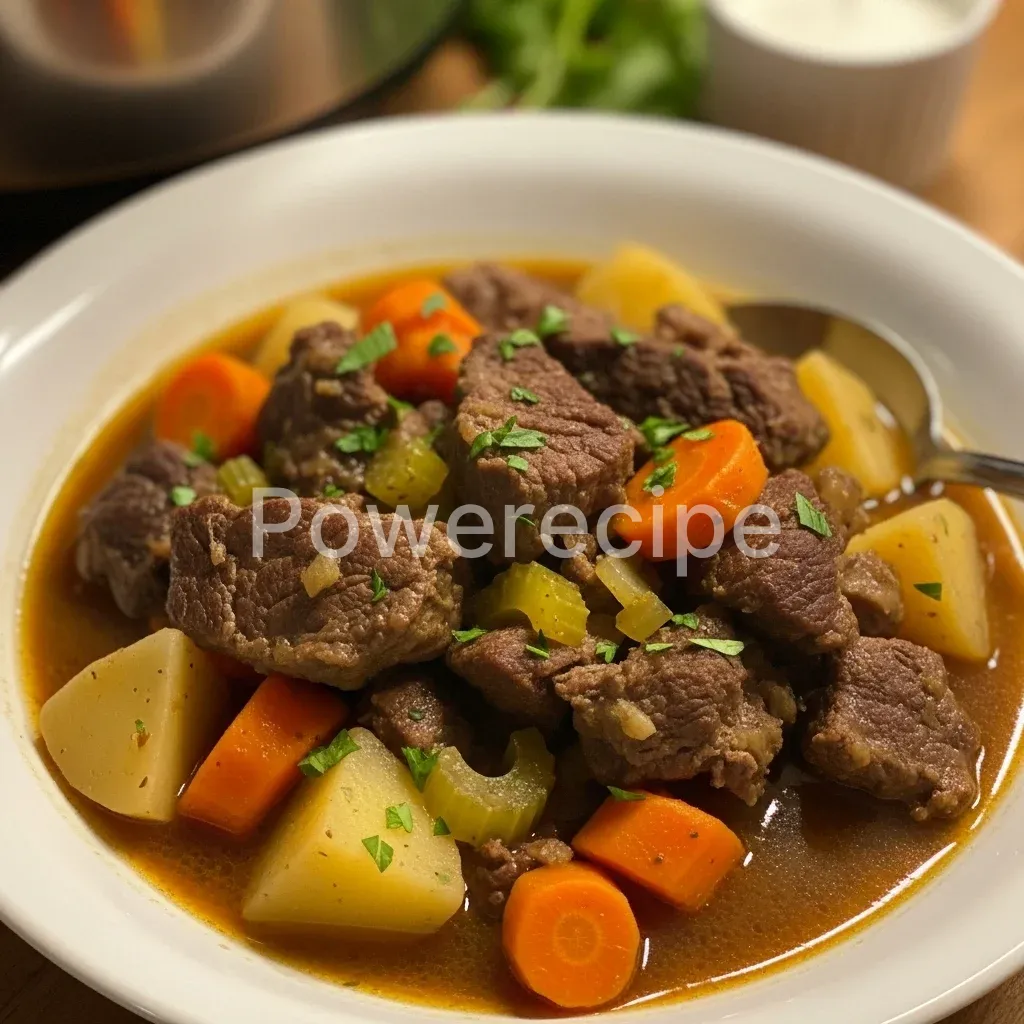
Ladle steaming beef stew into wide shallow bowls that showcase colorful vegetables and tender meat swimming in rich gravy. Serve alongside crusty bread for soaking up every drop of flavorful liquid, or spoon over creamy mashed potatoes for ultimate comfort food pairing. Garnish with fresh chopped parsley for bright color contrast and subtle herbal note. This classic beef stew recipe tastes even better the next day after flavors meld overnight—many cooks prepare it day ahead for stress-free entertaining. The complete protein from beef combined with vegetable nutrients creates balanced one-bowl meal requiring no sides beyond bread.
Storage and Reheating:
Store leftover beef stew in airtight container refrigerated up to 4 days, or freeze up to 3 months for future easy dinners. The stew actually improves with age as flavors deepen and meld together. Reheat gently on stovetop over low heat, stirring occasionally and adding splash of broth if consistency becomes too thick. Avoid boiling during reheating as this can toughen meat that was previously tender. For frozen stew, thaw overnight in refrigerator before reheating for best texture results.
CONCLUSION
This classic beef stew recipe proves that traditional cooking methods produce unmatched results when given proper time and attention. The patient browning, gentle simmering, and careful vegetable timing create restaurant-quality comfort food using simple ingredients and straightforward techniques anyone can master. Whether serving family dinner on busy weeknight or entertaining dinner guests on special occasion, this hearty stew delivers soul-satisfying warmth that makes cold weather genuinely enjoyable rather than merely tolerable.
PrintClassic Beef Stew Recipe
This classic beef stew recipe is the ultimate cold-weather comfort food with fall-apart tender beef, colorful vegetables, and rich savory gravy in one satisfying pot. Chuck roast transforms into melt-in-your-mouth pieces after slow simmering. Pure comfort in every spoonful—ready in 3 hours!
- Prep Time: 20 mins
- Cook Time: 2 hours 40 mins
- Total Time: 3 hours
- Yield: 6 servings
- Category: Dinner
- Method: Stewing
- Cuisine: American
Ingredients
3 lbs chuck roast
1 teaspoon kosher salt
0.5 teaspoon coarse ground black pepper
2 tablespoons all-purpose flour
2 tablespoons unsalted butter
2 tablespoons canola oil
0.5 yellow onion, chopped
4 cloves garlic, minced
2 carrots, cut into 2-inch chunks
2 celery stalks, chopped
2 Yukon Gold potatoes, chopped into 2-inch pieces
1 cup frozen peas
4 cups beef broth
0.25 cup tomato paste
1 cup dry red wine
1 bay leaf
1 teaspoon dried thyme
1 tablespoon Worcestershire sauce
Instructions
- Cut chuck roast into uniform 2-inch cubes, trimming away large external fat deposits but leaving interior marbling. Pat beef pieces completely dry using paper towels
- Season all sides generously with salt and pepper, then dredge lightly in flour, shaking off excess
- Preheat Dutch oven over medium-high heat, adding butter and oil until butter foams and oil shimmers
- Working in batches to avoid crowding, arrange beef cubes in a single layer with space between pieces. Allow 3-4 minutes undisturbed per side until a deep golden-brown crust forms with darker caramelized edges. Transfer browned beef to a plate, repeating with remaining batches
- After removing the final beef batch, reduce heat to medium and add chopped onion to the pot. Stir onion 2-3 minutes until edges soften and turn translucent, scraping the bottom with a wooden spoon to release fond
- Add minced garlic and chopped celery, cooking 1 minute more until aromatic
- Stir in tomato paste, coating vegetables evenly and cooking 2 minutes until the paste darkens slightly and loses its raw tomato taste
- Increase heat to medium-high and pour red wine into the pot, using a wooden spoon to scrape every bit of stuck fond from the bottom. Allow wine to bubble vigorously 2-3 minutes, reducing by half while alcohol evaporates
- Add beef broth, Worcestershire sauce, bay leaf, thyme, and chopped carrots, stirring to combine all ingredients thoroughly
- Return browned beef along with accumulated juices to the pot, ensuring pieces are mostly submerged in liquid
- Bring mixture to a full rolling boil, then immediately reduce heat to low, cover the pot with a tight-fitting lid, and adjust to a gentle simmer where small bubbles occasionally break the surface. Simmer for 90 minutes
- After 90 minutes of simmering, beef should feel tender when pierced with a fork. Add chopped potatoes to the pot, pushing them down into the liquid
- Raise heat briefly to return the stew to a boil. Reduce heat again to low, cover, and simmer an additional 30-40 minutes until potato pieces pierce easily with a fork and carrots achieve a tender-but-not-mushy consistency
- During the final 5 minutes, stir in frozen peas and remove the bay leaf. For thicker gravy consistency, mix 2 tablespoons cornstarch with 2 tablespoons cold water in a small bowl, stirring into the stew while simmering uncovered 3-4 minutes until desired thickness develops
- Taste and adjust seasoning with additional salt and pepper if needed
Notes
Ladle steaming beef stew into wide shallow bowls. Serve alongside crusty bread for soaking up every drop, or spoon over creamy mashed potatoes for ultimate comfort.
Garnish with fresh chopped parsley for bright color contrast and subtle herbal note.
This classic beef stew recipe tastes even better the next day after flavors meld overnight; many cooks prepare it a day ahead for stress-free entertaining.
Store leftover beef stew in an airtight container refrigerated for up to 4 days, or freeze for up to 3 months.
Reheat gently on the stovetop over low heat, stirring occasionally and adding a splash of broth if consistency becomes too thick. Avoid boiling during reheating as this can toughen the meat.
For frozen stew, thaw overnight in the refrigerator before reheating for best texture results.