dairy free egg custard
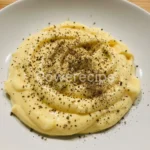
This dairy-free egg custard is a rich, creamy, and wonderfully comforting classic dessert, reimagined for those with dairy sensitivities. It offers a nostalgic, silky texture and sweet vanilla flavor, made simple with wholesome ingredients and a straightforward baking process. Perfect for families with dietary restrictions, it’s versatile and easy to make, bringing a soulful dessert experience to your table.
- Prep Time: 20 mins
- Cook Time: 60 mins
- Total Time: 7-8 hours (incl. chilling)
- Yield: 8 servings
- Category: Dessert
- Method: Baking
- Cuisine: American
- Diet: Dairy-Free, Gluten Free, Vegetarian
Ingredients
4 Large Eggs
2 Egg Yolks
1 (13.5 oz) can Full-Fat Canned Coconut Milk
1 cup Unsweetened Almond Milk
1/2 cup Granulated Sugar
1 teaspoon Vanilla Extract
1/4 teaspoon Salt
Freshly Grated Nutmeg, for sprinkling
Instructions
- Preheat Oven & Prepare Dish: Preheat your oven to 325°F (160°C). Find a 9-inch pie plate or an equivalent oven-safe dish. Set this dish aside
- Prepare Water Bath: Select a larger baking pan, like a roasting pan, that your pie plate or ramekins can comfortably fit inside. You will create a water bath, which ensures even, gentle cooking for your custard
- Whisk Eggs & Yolks: In a large mixing bowl, thoroughly whisk together the 4 large eggs and 2 egg yolks. Whisk until they are light yellow and slightly foamy; this takes about 1-2 minutes
- Heat Plant Milks & Sugar: In a medium saucepan, combine the full-fat canned coconut milk, unsweetened almond milk, granulated sugar, and salt. Heat the mixture over medium-low heat, stirring constantly, until the sugar completely dissolves and small bubbles form around the edges of the pan. Do not let it boil vigorously
- Temper the Eggs: Slowly, gradually pour about half of the warm milk mixture into the whisked eggs while continuously whisking the eggs. This tempering process slowly raises the temperature of the eggs without scrambling them
- Combine Mixtures: Now, pour the tempered egg mixture back into the saucepan with the remaining warm milk. Whisk everything together thoroughly until well combined
- Add Vanilla: Stir in the vanilla extract
- Strain the Custard Base: For an incredibly smooth custard, pour the entire custard mixture through a fine-mesh sieve into a clean bowl or directly into your prepared pie plate. This removes any bits of cooked egg or undissolved sugar, ensuring a silky texture
- Pour & Sprinkle Nutmeg: Carefully pour the strained custard mixture into your prepared pie plate or ramekins. Sprinkle the top evenly with freshly grated nutmeg
- Set Up Water Bath: Carefully place your pie plate or ramekins into the larger baking pan. Then, pour hot water into the larger pan until it comes halfway up the sides of your custard dish(es)
- Bake: Gently transfer the entire water bath setup to your preheated oven. Bake for 45-60 minutes for a large pie plate, or 30-40 minutes for individual ramekins. The custard is ready when the edges appear set, but the center still has a slight jiggle. A knife inserted halfway between the center and the edge should come out clea
- Cool & Chill: Carefully remove the baking pan from the oven. Let the custard dishes cool in the water bath for about 15-20 minutes. Then, remove the custard from the water bath, let it cool completely on a wire rack at room temperature, and finally, transfer it to the refrigerator. Chill for at least 4 hours, or preferably overnight, before serving. This chilling time allows the custard to fully set and develop its flavors
Notes
Always use room temperature ingredients for best results.
Temper your eggs properly by slowly drizzling in warm milk mixture while constantly whisking to prevent scrambling.
Do not overheat the milk mixture; it should be warm enough to dissolve sugar, not boiling hot.
Strain the custard mixture through a fine-mesh sieve for a silky smooth texture, catching any cooked egg bits or undissolved sugar.
The water bath (bain-marie) provides a moist, even heat, allowing the custard to set gently and prevents rubbery texture or cracks.
Do not overbake; the custard is done when edges are set but the center still has a slight jiggle.
Allow ample chilling time (at least 4 hours, preferably overnight) for the custard to firm up completely and for flavors to meld.
Store any leftover custard in an airtight container in the refrigerator for up to 3-4 days.
Reheating is generally not recommended as it can alter the delicate texture of the custard.
Find it online: https://powerecipe.com/dairy-free-egg-custard/