zucchini spaghetti recipe
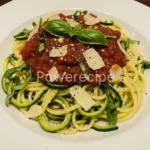
The dinner table in our house, with three active kids, is often a joyful chaos of stories, laughter, and sometimes, a little bit of resistance to anything green. I remember one particularly challenging evening when I was determined to get some extra veggies into their little bodies. I’d seen a friend make "zoodles" and thought, why not? So, I pulled out my spiralizer and started turning beautiful green zucchini into long, enticing strands. My youngest, wide-eyed, declared them "green worms," but with a little sauce and a lot of imagination, those "worms" became "magical green spaghetti." To my absolute delight, they devoured it! That night, this simple, nourishing zucchini spaghetti recipe became an instant hit and a cherished family favorite. It’s truly a game-changer, offering all the joy of a comforting pasta dish without the heaviness, and it’s brimming with fresh, vibrant flavors. This easy zucchini spaghetti recipe has saved countless weeknights and brought so much happy chatter to our dinner table. If you're searching for a healthy, delicious, and family-approved meal, then this classic zucchini spaghetti recipe is absolutely for you. It’s proof that nourishing food can also be incredibly fun and tasty.
- Prep Time: 20 mins
- Cook Time: 10 mins
- Total Time: 30 mins
- Yield: 4 servings
- Category: Dinner
- Method: Sautéing
- Cuisine: American
- Diet: Gluten Free
Ingredients
4-5 Medium Zucchini
2 tablespoons Olive Oil
3-4 cloves Minced Garlic
1 28-ounce can Canned Crushed Tomatoes
1/4 cup Chopped Fresh Basil
1/2 cup Grated Parmesan Cheese
To taste Salt
To taste Black Pepper
1/4 teaspoon Red Pepper Flakes
Instructions
- Prepare the Zucchini: First, wash and trim both ends of the zucchini. Using a spiralizer, transform the zucchini into spaghetti-like noodles. Place the spiralized zucchini in a colander, sprinkle generously with salt, and let it sit for at least 15-20 minutes. This draws out excess moisture, preventing your zucchini spaghetti from becoming watery. Gently squeeze any remaining water from the zoodles with paper towels before cooking
- Sauté Aromatics: While the zucchini drains, heat the olive oil in a large skillet or pot over medium heat. Add the minced garlic and red pepper flakes (if using). Sauté for about 1 minute until fragrant, being careful not to burn the garlic
- Simmer the Sauce: Pour in the canned crushed tomatoes. Stir well to combine. Bring the sauce to a gentle simmer, then reduce the heat to low, cover, and let it cook for at least 10-15 minutes. This allows the flavors to meld beautifully. Season with salt and black pepper to taste
- Add Zucchini Noodles: Uncover the sauce. Add the drained zucchini noodles to the skillet. Gently toss the zucchini with the sauce using tongs. You want to coat the noodles thoroughly
- Cook Briefly: Cook for only 2-3 minutes, tossing constantly, until the zucchini is just tender-crisp. Overcooking will make your zucchini spaghetti soggy. The residual heat from the sauce will continue to cook them slightly
- Finish and Serve: Remove the skillet from the heat. Stir in the fresh basil and grated Parmesan cheese. Give it one final gentle toss. Serve immediately, garnished with extra Parmesan cheese and a sprinkle of fresh black pepper. Enjoy your fresh and flavorful zucchini spaghetti recipe!
Notes
Salting and draining zucchini noodles thoroughly is crucial to prevent a watery and mushy dish.
Use fresh, firm, medium-sized zucchini for the best noodle texture.
Avoid overcooking the zucchini noodles; they should be tender-crisp after 2-3 minutes of cooking in the hot sauce.
Always prepare and heat the sauce before adding zucchini noodles to minimize their cooking time.
Serve immediately for optimal texture, as zucchini can release more moisture over time.
A quality spiralizer improves the preparation process.
Taste and adjust sauce seasonings before adding zucchini.
Store cooled leftovers in an airtight container in the refrigerator for up to 2-3 days, noting that texture will soften.
Reheat gently on the stovetop; freezing cooked zucchini spaghetti is not recommended due to mushiness upon thawing.
Find it online: https://powerecipe.com/zucchini-spaghetti-recipe/