30 minute low cholesterol meals

Life with three lively kids often feels like a beautiful whirlwind. Between school pickups, homework battles, and trying to keep up with their endless energy, the idea of preparing a wholesome, heart-healthy meal can sometimes feel like climbing Mount Everest. Believe me, I get it. There were countless evenings I found myself staring into the fridge, utterly exhausted, debating between a quick, less-than-ideal takeout option and the promise of a homemade dinner.
Then came the realization that food truly is love, and that love should nourish us, not add stress. I started a mission to find simple solutions, especially for my husband, who needed to be more mindful of his cholesterol. That’s when I discovered the magic of 30 minute low cholesterol meals.
These aren’t just quick dinners; they are game-changers. They prove that you can put delicious, satisfying, and heart-friendly food on the table, even on your busiest weeknights. I’ve learned that a few smart choices and a bit of kitchen know-how transform mealtime from a chore into a joy. Let’s dive into how you can bring that same joy and ease to your own kitchen!
Why You’ll Love These 30 Minute Low Cholesterol Meals
You juggle so much every single day. Finding a meal that checks all the boxes—healthy, delicious, and quick—feels like a true win. These 30 minute low cholesterol meals are exactly that: a victory for your family and your health.
First, they are incredibly efficient. Forget spending hours in the kitchen after a long day. You get a nourishing dinner on the table in under half an hour, giving you more time for family, hobbies, or simply relaxing.
Moreover, these recipes prioritize your heart health. They actively reduce saturated and trans fats, focusing instead on lean proteins, fiber-rich vegetables, and healthy fats. This commitment helps manage cholesterol levels without sacrificing flavor.
Think vibrant veggies, flaky fish, tender chicken, and whole grains working together in perfect harmony. You will not find bland, boring food here. We emphasize fresh herbs, bright citrus, and aromatic spices that elevate every bite, making healthy eating a true pleasure.
Finally, these meals bring incredible peace of mind. As a mom, knowing I serve my family food that actively supports their well-being is priceless. You fuel their bodies with goodness, promote long-term health, and teach them healthy eating habits by example.
Plus, most of these recipes are wonderfully versatile, allowing for easy substitutions based on what you have on hand or what your family loves. You will quickly adapt them to suit your preferences, making them staple Meals in your household.
Ingredients You’ll Need
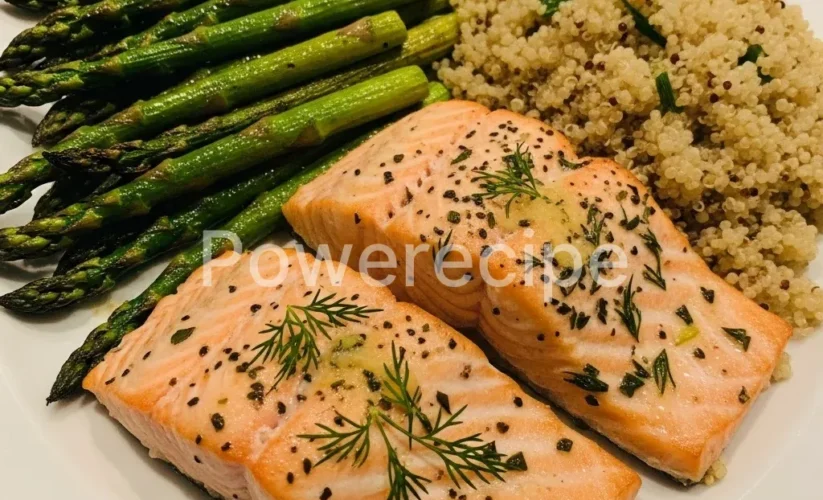
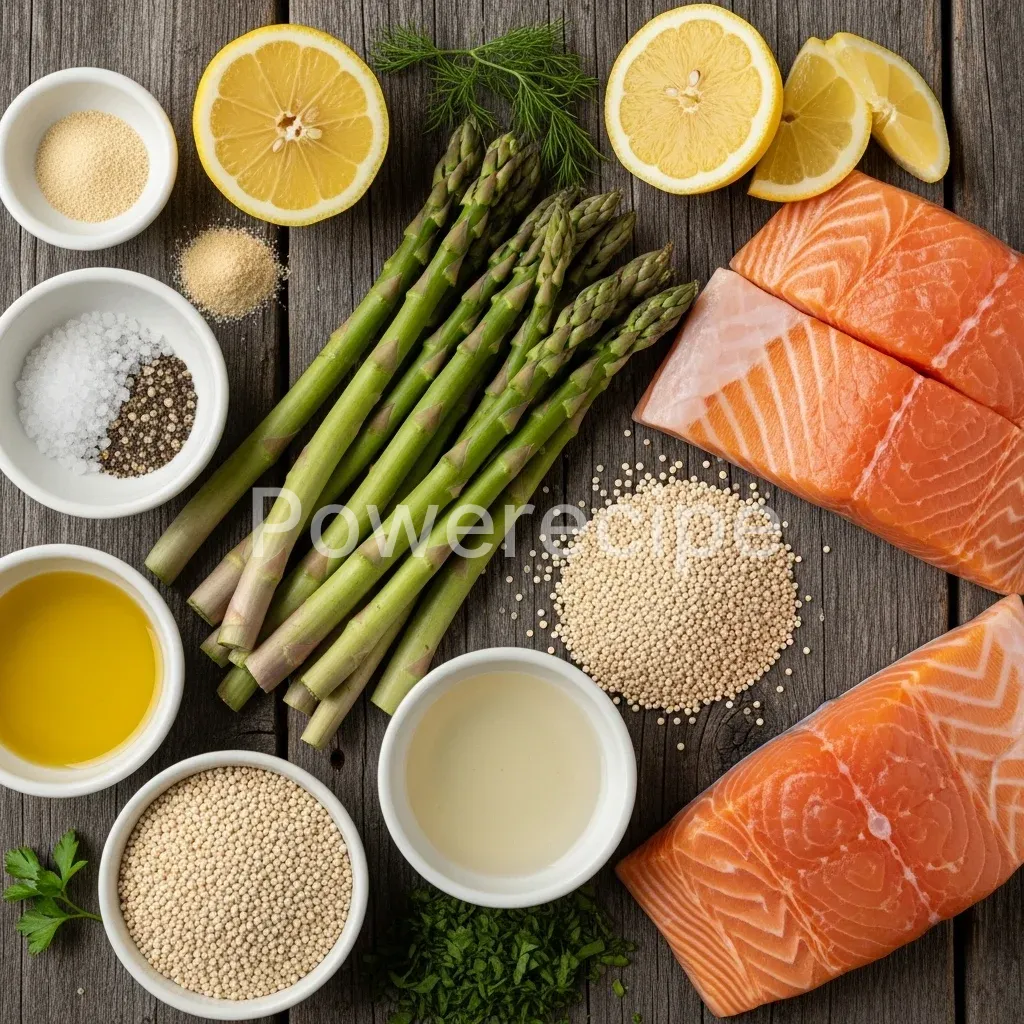
Creating delicious, low-cholesterol meals in just 30 minutes relies on having the right ingredients. We focus on fresh, wholesome components that cook quickly and deliver maximum flavor. For our featured recipe, a delightful Lemon Herb Baked Salmon with Roasted Asparagus and Quinoa, you will need the following:
| Category | Ingredient | Quantity | Notes |
|---|---|---|---|
| Protein | Salmon fillets | 4 (6 oz each) | Skin-on or skinless, wild-caught preferred |
| Vegetable | Asparagus | 1 bunch (about 1 lb) | Trimmed ends |
| Grain | Quinoa | 1 cup (uncooked) | Rinsed well |
| Liquid | Vegetable or chicken broth | 2 cups | Low sodium preferred |
| Healthy Fat | Olive oil | 3 tbsp | Extra virgin for flavor |
| Acid | Lemon | 1-2 | Freshly squeezed juice and wedges for serving |
| Herbs | Fresh dill or parsley | 2 tbsp | Chopped, or 1 tsp dried |
| Seasoning | Garlic powder | 1 tsp | Or 2 cloves fresh garlic, minced |
| Seasoning | Salt | ½ tsp, or to taste | Kosher or sea salt |
| Seasoning | Black pepper | ¼ tsp, or to taste | Freshly ground preferred |
Substitutions & Variations
Flexibility is key in any busy kitchen, especially when you are aiming for quick and healthy meals. These 30 minute low cholesterol meals are wonderfully adaptable. Feel free to swap ingredients based on what you have, what’s in season, or what your family enjoys most.
- Protein Power-Ups: Not a salmon fan? No problem! Swap salmon for other quick-cooking, low-cholesterol proteins. Try skinless chicken breasts or thighs, sliced thin for faster cooking, or even firm tofu. For a vegetarian option, consider chickpeas or lentils. Simply rinse and add them to your roasting pan or stir-fry. Cod, halibut, or tilapia also work beautifully in this recipe; adjust cooking times as needed for thinner fillets.
- Veggie Versatility: Asparagus makes a fantastic side, but plenty of other vegetables cook quickly. Broccoli florets, green beans, bell peppers, zucchini, or cherry tomatoes roast perfectly alongside your protein. Use a bag of frozen mixed vegetables if you need an even faster option – just toss them with olive oil and seasonings before roasting.
- Grain Alternatives: Quinoa is a complete protein and cooks quickly, but brown rice, couscous, or even whole wheat pasta are great alternatives. If using pasta, cook it separately while your protein and vegetables roast. For a low-carb option, cauliflower rice or a simple side salad fit perfectly.
- Flavor Profiles: Do you crave different flavors? Shift the seasonings. For a Mediterranean twist, add dried oregano, a pinch of red pepper flakes, and a squeeze of fresh lemon. For an Asian flair, use soy sauce (low sodium), ginger, and a dash of sesame oil. A taco seasoning blend works well for a Tex-Mex inspired dish with chicken or black beans.
- Herb Heroes: Fresh dill and parsley offer a bright, clean taste. However, don’t hesitate to experiment with other herbs. Fresh cilantro, chives, or even dried Italian seasoning can completely change the character of your meal. Just remember to add delicate fresh herbs towards the end of cooking to preserve their flavor.
- Spice It Up: Don’t underestimate the power of spices. Smoked paprika, cumin, or even a touch of chili powder can add depth and warmth without adding extra fat.
Embrace these variations! They help keep your low-cholesterol diet exciting and prevent mealtime boredom. You will discover new family favorites and keep your healthy eating journey vibrant.
Step-by-Step Instructions
You are just minutes away from a delicious, heart-healthy meal. Follow these simple steps to create our Lemon Herb Baked Salmon with Roasted Asparagus and Quinoa in under 30 minutes. This recipe is designed for maximum efficiency, cooking everything simultaneously for a truly streamlined experience.
- Preheat Oven & Prepare Quinoa: First, preheat your oven to 400°F (200°C). While the oven heats, combine 1 cup of rinsed quinoa with 2 cups of low-sodium broth or water in a medium saucepan. Bring it to a boil, then reduce heat to low, cover, and simmer for 15 minutes.
- Prep Salmon & Asparagus: While the quinoa cooks, line a large baking sheet with parchment paper for easy cleanup. Arrange your salmon fillets on one side of the baking sheet. Toss the trimmed asparagus spears with 1 tablespoon of olive oil, salt, and pepper, then spread them in a single layer on the other side of the baking sheet.
- Season Salmon: Drizzle the salmon fillets with 1 tablespoon of olive oil. Sprinkle them generously with garlic powder, salt, and pepper. Squeeze half a lemon over the salmon, then scatter half of your chopped fresh dill or parsley over the top.
- Roast Everything: Once the quinoa has simmered for 15 minutes (it will continue to cook off-heat), place the baking sheet with salmon and asparagus into the preheated oven. Roast for 12-15 minutes, or until the salmon flakes easily with a fork and the asparagus is tender-crisp.
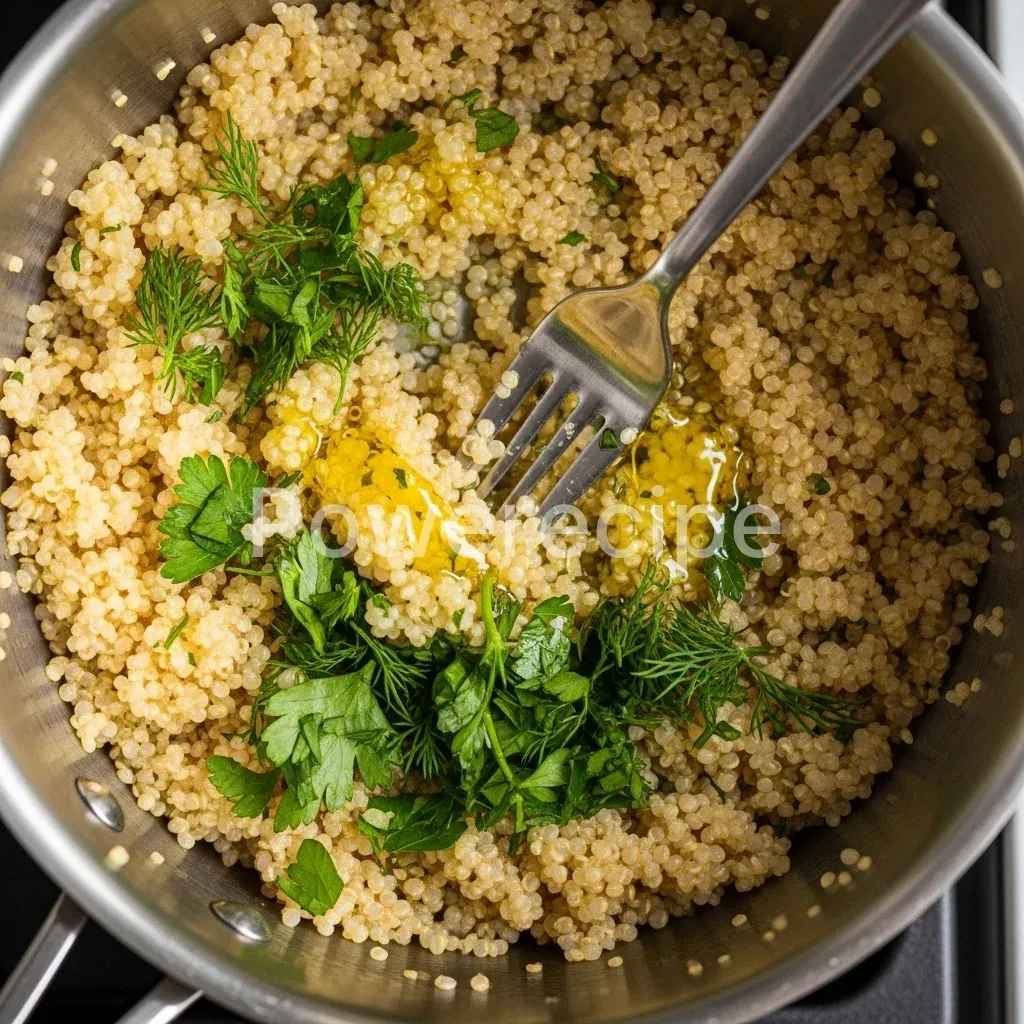
- Finish Quinoa & Serve: While the salmon and asparagus roast, remove the quinoa from the heat and let it sit covered for 5 minutes. Fluff it with a fork. Stir in the remaining 1 tablespoon of olive oil, the juice from the other half of the lemon, and the rest of your fresh herbs. Taste and adjust seasonings if necessary.
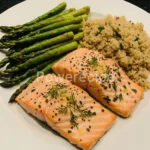
- Plate & Enjoy: Divide the fluffy quinoa among four plates. Place a salmon fillet and a portion of roasted asparagus alongside. Garnish with fresh lemon wedges. Serve immediately and savor your quick, nutritious meal!
Pro Tips for Success
Making 30 minute low cholesterol meals consistently delicious and efficient involves a few smart strategies. These tips will help you streamline your cooking process and elevate your meals.
- Mise en Place is Your Friend: “Mise en place” means “everything in its place.” Before you even turn on the stove, chop all your vegetables, measure your spices, and have all ingredients ready. This prevents frantic searching and ensures a smooth cooking flow, crucial for beating the 30-minute clock.
- Master High-Heat Cooking: Roasting, stir-frying, and pan-searing are your go-to methods for speed. High heat cooks ingredients quickly and caramelizes their natural sugars, enhancing flavor. Ensure your oven is fully preheated and your pan is hot before adding food.
- Sheet Pan Power: Utilize sheet pan meals for incredible ease and minimal cleanup. Roasting protein and vegetables together on one sheet pan, as we did with the salmon and asparagus, saves time and effort. It’s a game-changer for busy evenings.
- Stock a Smart Pantry: Keep your pantry stocked with low-cholesterol staples. Think canned beans, lentils, whole grains (quinoa, brown rice), heart-healthy oils (olive oil, avocado oil), vinegars, and a variety of dried herbs and spices. This way, you always have the building blocks for a quick meal.
- Pre-Cook Grains: Cook a big batch of quinoa or brown rice on the weekend. Store it in the fridge, and you have a ready-to-use base for bowls and sides throughout the week, significantly cutting down on weeknight cooking time.
- Flavor with Freshness: Rely heavily on fresh herbs, citrus juice (lemon, lime), garlic, and onions for flavor. These ingredients add immense depth without increasing saturated fat. A squeeze of lemon or a sprinkle of fresh parsley can brighten any dish.
- Read Labels Carefully: When buying packaged goods like broths, sauces, or canned items, always check the nutrition labels. Look for “low sodium” and minimal saturated and trans fats. Hidden fats and sugars can derail your low-cholesterol efforts.
- Don’t Overcrowd Your Pan: When roasting or stir-frying, cook in batches if necessary. Overcrowding a pan steams the food instead of searing or roasting it, resulting in less flavor and a longer cooking time. Give everything space to breathe!
Storage & Reheating Tips
You have put in the effort to create a delicious and healthy meal; now, make sure you store and reheat it properly to enjoy leftovers safely and deliciously. These 30 minute low cholesterol meals often make fantastic next-day lunches or quick dinners.
- Cool Quickly: Once your meal cools down enough to handle, transfer it to airtight containers within two hours of cooking. Do not leave food sitting at room temperature for extended periods, as this encourages bacterial growth.
- Refrigeration: Store cooked salmon, asparagus, and quinoa in separate airtight containers in the refrigerator for up to 3-4 days. Storing components separately can help maintain their texture and prevent them from becoming soggy.
- Freezing (with caution): While quinoa freezes well (up to 3 months), and cooked asparagus can be frozen (though it might become softer upon thawing), salmon is best enjoyed fresh or within a day or two. If you do freeze cooked salmon, wrap it tightly in plastic wrap and then foil to prevent freezer burn, consuming within 1-2 months. Thaw frozen components in the refrigerator overnight before reheating.
- Reheating Quinoa: For best results, reheat quinoa in a microwave with a splash of water or broth, stirring occasionally, until heated through. You can also warm it gently in a saucepan on the stovetop.
- Reheating Asparagus: Reheat roasted asparagus briefly in the microwave or a hot oven (300°F/150°C) until warm. Be careful not to overcook, as it can become mushy.
- Reheating Salmon: Reheating salmon can be tricky to avoid drying it out. The best method is to gently warm it in an oven set to a low temperature (around 275°F/135°C) for 10-15 minutes, or until just heated through. Cover it loosely with foil to retain moisture. A microwave works in a pinch, but use short bursts of heat to prevent overcooking.
- Revitalize with Freshness: Leftovers can sometimes lose a bit of their vibrancy. A squeeze of fresh lemon, a sprinkle of fresh herbs, or a dash of hot sauce can perk up a reheated meal.
By following these simple storage and reheating tips, you maximize your meal prep efforts and ensure you always have quick, healthy options at your fingertips.
What to Serve With This Recipe
Our Lemon Herb Baked Salmon with Roasted Asparagus and Quinoa is a complete meal on its own, offering protein, healthy fats, fiber, and carbohydrates. However, if you want to expand the meal or add more variety, consider these complementary options:
- Simple Side Salad: A fresh, crisp green salad with a light vinaigrette perfectly complements the richness of the salmon. Think mixed greens, cherry tomatoes, cucumber, and a dressing made from olive oil, apple cider vinegar, and a touch of Dijon mustard.
- Steamed Green Beans or Broccoli: If you love your greens, a simple side of steamed green beans or broccoli provides additional nutrients without adding extra fat or significant cooking time. A squeeze of lemon and a sprinkle of salt enhance their natural flavors.
- Whole Wheat Dinner Rolls: A small, warm whole wheat dinner roll or a slice of crusty whole-grain bread offers another layer of texture and helps soak up any delicious juices from the salmon and lemon.
- Fresh Fruit Medley: For a light and refreshing dessert or to serve alongside, a bowl of fresh berries, sliced melon, or citrus segments provides a sweet, natural finish to your meal without added sugars or fats.
- Light Soup: A simple vegetable broth-based soup or a creamy (dairy-free) tomato soup can make the meal feel more substantial on a cooler evening, especially if you opted for a lighter portion of the main dish.
- Herbed Yogurt Sauce: For an extra layer of flavor, whip up a quick sauce using plain non-fat Greek yogurt, fresh dill, a squeeze of lemon, and a touch of garlic powder. It adds a creamy tang that pairs wonderfully with both salmon and asparagus.
Remember, the goal is to keep it light and focused on whole, unprocessed foods to maintain the low-cholesterol benefits of your main dish.
FAQs About 30 Minute Low Cholesterol Meals
How can I make these meals even faster?
To shave off even more time, focus on smart prep. Utilize pre-cut vegetables from the grocery store. Cook a large batch of quinoa or brown rice on the weekend.
Opt for quick-cooking proteins like thin-cut chicken breasts, shrimp, or quick-thawing fish fillets. Employ a sheet pan for combined cooking of protein and vegetables, minimizing dish cleanup and cooking steps. A well-organized pantry also saves precious minutes during the week.
Are these recipes suitable for weight loss?
Yes, absolutely! These 30 minute low cholesterol meals are often ideal for weight loss. They emphasize lean proteins, high-fiber vegetables, and whole grains, which promote satiety and help you feel fuller for longer.
Furthermore, they limit saturated and trans fats, which are generally high in calories. Focus on portion control and incorporate plenty of non-starchy vegetables to support your weight management goals effectively.
Can I prepare any components ahead of time?
Definitely! Strategic meal prep makes 30-minute meals even easier. You can wash and chop all your vegetables on Sunday.
Pre-cook grains like quinoa or brown rice and store them in the refrigerator. Mix your herb and spice blends in advance. Even marinating chicken or fish in a low-fat, low-sodium marinade ahead of time can infuse flavor and tenderize, ready for quick cooking later in the week.
What common ingredients should I avoid for low cholesterol?
For a low-cholesterol diet, prioritize avoiding saturated and trans fats. This means limiting red and processed meats, full-fat dairy products (like butter, cheese, and whole milk), fried foods, and many baked goods and processed snacks. Also, be mindful of ingredients high in dietary cholesterol, such as organ meats and egg yolks (though egg yolks can be consumed in moderation by many). Always check nutrition labels for hidden fats.
Is it possible to make these dishes vegetarian or vegan?
Yes, most 30 minute low cholesterol meals adapt easily to vegetarian or vegan diets. Simply swap animal proteins for plant-based alternatives. Lentils, chickpeas, black beans, tofu, and tempeh are excellent, quick-cooking protein sources.
Ensure you use vegetable broth instead of chicken or beef broth. When adapting, remember to adjust seasonings to complement your chosen plant-based protein, perhaps adding more herbs and spices for depth.
Print30 minute low cholesterol meals
Discover the magic of 30-minute low-cholesterol meals, a game-changer for busy weeknights that proves you can put delicious, satisfying, and heart-friendly food on the table. These efficient recipes prioritize heart health by reducing saturated and trans fats, focusing on lean proteins, fiber-rich vegetables, and healthy fats. Enjoy vibrant, flavorful dishes that bring peace of mind and support your family's well-being.
- Prep Time: 15 mins
- Cook Time: 15 mins
- Total Time: 30 mins
- Yield: 4 servings
- Category: Dinner
- Method: Baking
- Cuisine: American
- Diet: Gluten Free
Ingredients
4 fillets (6 oz each) Salmo
1 lb Asparagus
1 cup Quinoa
2 cups Vegetable or chicken broth
3 tbsp Olive oil
1-2 Lemo
2 tbsp Fresh dill or parsley
1 tsp Garlic powder
0.5 tsp Salt
0.25 tsp Black pepper
Instructions
- Preheat your oven to 400°F (200°C). While the oven heats, combine 1 cup of rinsed quinoa with 2 cups of low-sodium broth or water in a medium saucepan. Bring it to a boil, then reduce heat to low, cover, and simmer for 15 minutes
- While the quinoa cooks, line a large baking sheet with parchment paper for easy cleanup. Arrange your salmon fillets on one side of the baking sheet. Toss the trimmed asparagus spears with 1 tablespoon of olive oil, salt, and pepper, then spread them in a single layer on the other side of the baking sheet
- Drizzle the salmon fillets with 1 tablespoon of olive oil. Sprinkle them generously with garlic powder, salt, and pepper. Squeeze half a lemon over the salmon, then scatter half of your chopped fresh dill or parsley over the top
- Once the quinoa has simmered for 15 minutes (it will continue to cook off-heat), place the baking sheet with salmon and asparagus into the preheated oven. Roast for 12-15 minutes, or until the salmon flakes easily with a fork and the asparagus is tender-crisp
- While the salmon and asparagus roast, remove the quinoa from the heat and let it sit covered for 5 minutes. Fluff it with a fork. Stir in the remaining 1 tablespoon of olive oil, the juice from the other half of the lemon, and the rest of your fresh herbs. Taste and adjust seasonings if necessary
- Divide the fluffy quinoa among four plates. Place a salmon fillet and a portion of roasted asparagus alongside. Garnish with fresh lemon wedges. Serve immediately and savor your quick, nutritious meal!
Notes
Mise en Place is Your Friend: Chop all vegetables, measure spices, and have ingredients ready before cooking to ensure a smooth flow and meet the 30-minute goal.
Master High-Heat Cooking: Utilize roasting, stir-frying, and pan-searing for speed and enhanced flavor. Ensure oven and pans are preheated.
Sheet Pan Power: Use sheet pan meals for easy cooking and minimal cleanup, roasting protein and vegetables together.
Stock a Smart Pantry: Keep low-cholesterol staples like canned beans, whole grains, heart-healthy oils, vinegars, and spices on hand.
Pre-Cook Grains: Cook quinoa or brown rice on the weekend for quick weeknight meal bases.
Flavor with Freshness: Rely on fresh herbs, citrus, garlic, and onions for flavor without added saturated fat.
Read Labels Carefully: Choose 'low sodium' and minimize saturated/trans fats in packaged goods.
Don't Overcrowd Your Pan: Cook in batches if needed to ensure proper searing/roasting instead of steaming.
Cool Quickly: Transfer leftovers to airtight containers within two hours of cooking.
Refrigeration: Store cooked salmon, asparagus, and quinoa in separate airtight containers in the refrigerator for up to 3-4 days.
Reheating Salmon: Gently warm salmon in an oven at 275°F (135°C) for 10-15 minutes, covered loosely with foil, to prevent drying out.